

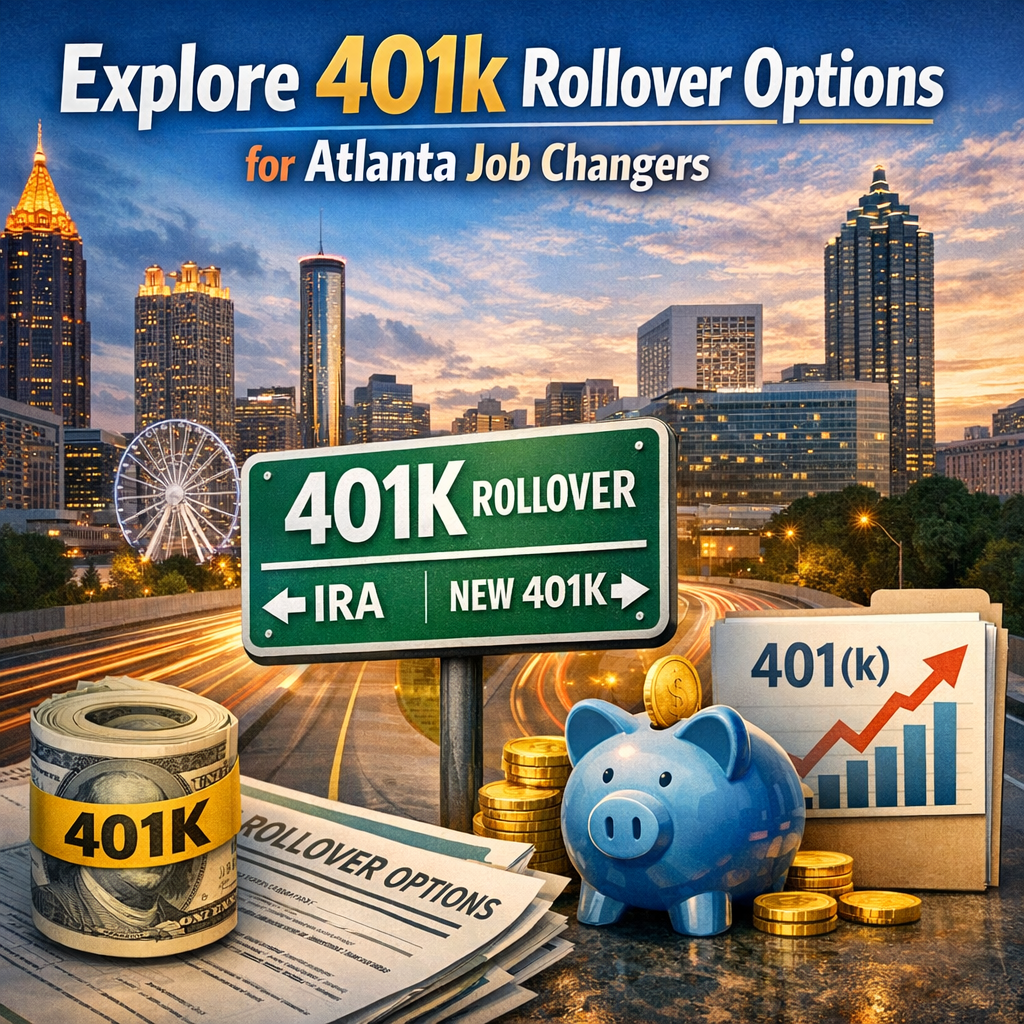
Explore 401k Rollover Options for Atlanta Job Changers
401k Rollover Options for Atlanta Professionals Changing Jobs
Changing jobs can be an exciting time of new opportunities and professional growth. However, for many Atlanta professionals, it also raises important financial questions, particularly regarding the best ways to handle existing 401k plans. Here’s a comprehensive look at your 401k rollover options when you are transitioning between jobs.
Understanding Your 401k Rollover Options
When you leave a job, you have a few choices regarding what you can do with your 401k. It’s crucial to make informed decisions to ensure your retirement savings continue to work for you, harnessing the power of compound interest and favorable tax treatments. Here are the primary rollover options you should consider:
1. Leave Your 401k with Your Previous Employer
If your former employer permits, you can leave your 401k plan where it is. This might be a good option if you’re satisfied with the investment options and the fees are reasonable. However, managing multiple 401k accounts can become cumbersome, and you might be limited in your ability to make additional contributions or change investment options.
2. Roll Over to Your New Employer’s 401k Plan
Transferring your old 401k into your new employer’s plan can keep things simple. You’ll have one consolidated pot for retirement savings, potentially lower fees, and a single set of investments to monitor. Before making the transfer, compare the investment options and administrative fees between the two plans to ensure it’s beneficial.
3. Roll Over into an Individual Retirement Account (IRA)
Rolling over your 401k into an IRA often gives you access to a broader range of investment options compared to what is typically available through employer-sponsored plans. With an IRA, you can choose from individual stocks, bonds, ETFs, and mutual funds, allowing for a customized retirement portfolio tailored to your specific risk tolerance and investment goals.
Benefits of Rolling Over into an IRA:
- Wider Investment Selection: More choices can lead to a more diversified portfolio.
- Potentially Lower Fees: IRAs often have lower administrative fees than 401k plans.
- Flexible Withdrawal Options: IRAs typically offer more withdrawal flexibilities, which might be beneficial as you move closer to retirement.
4. Cash Out Your 401k
Although you can cash out your 401k, this is generally not advised unless in cases of financial emergency. Cashing out means you’ll likely incur heavy penalties and taxes, which can take a significant bite out of your retirement savings. Additionally, you lose the potential future earnings those funds could have generated.
How to Choose the Best 401k Rollover Option
Choosing the right rollover option depends on several factors specific to your personal and financial situation. Here are some points to consider:
- Investment Options and Fees: Evaluate the differences in investment options and associated fees between your old/new employer’s plan and an IRA.
- Your Financial Goals: Consider your long-term financial goals. An IRA might provide better tools for a customized investment strategy.
- Ease of Administration: Consolidating your funds in one place can simplify management and monitoring of your investments.
- Tax Considerations: Ensure you understand the tax implications of any rollover. Typically, direct rollovers (where funds are transferred directly between accounts) are not taxable events, but indirect rollovers can be trickier.
Conclusion
For Atlanta professionals navigating a job change, understanding and managing your 401k rollover options is crucial. Whether you choose to leave your retirement funds with your previous employer, transfer them to a new employer’s plan, roll them over to an IRA, or cash out, each option requires careful consideration. Taking into account the impact on your investment strategy, fees, administrative simplicity, and tax implications will help you make the best choice for your financial future. Consult with a financial advisor to tailor your decision to your specific needs and circumstances.